Building the Invisible Bridges of Global Progress
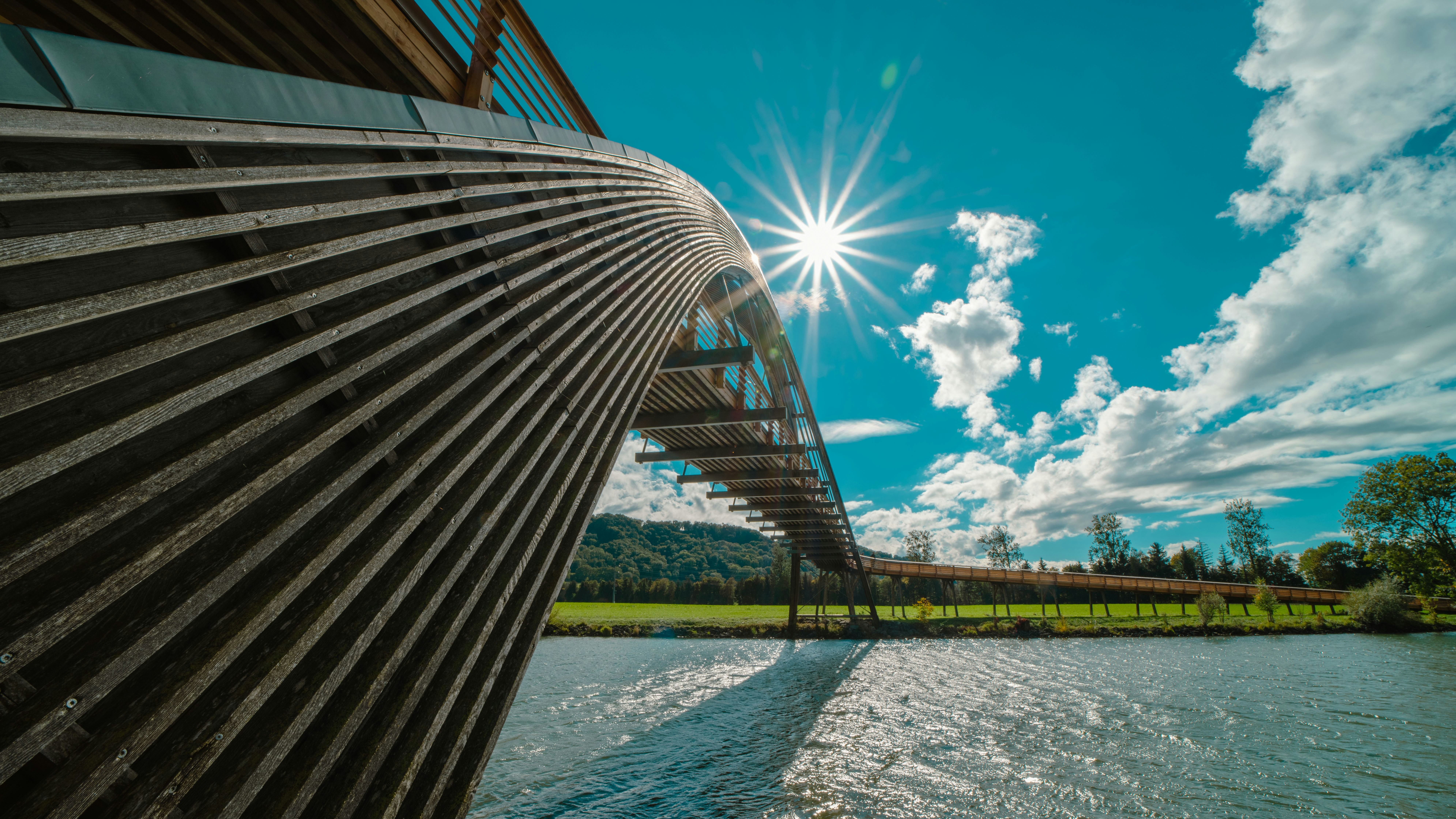
In the Opening of This Quadrimester
We established that human progress is not a solitary path. It is a massive effort of building bridges. We have explored the deep need for coordinated action and the lasting power of shared systems. As we step into the third week of July, our focus moves from the mere idea of these bridges to the actual materials we use to build them. We are no longer just dreaming of connections; we are actively optimizing them so that every person can thrive.
The Move from Idea to System
The move from a good idea to a real, functioning system is the true test of our global goals. Many organizations try to force growth by placing new plans on top of broken foundations. This approach does not work. True systemic change requires us to look at the very bottom of our structures. We must make sure that the digital and physical spaces we build are designed to lift people up, rather than just keeping things the way they are.
Assessing Our Systems
When we look at our internal operations—how we manage our platforms, how we design our digital environments, and how we launch our strategic initiatives—we must ask a vital question. Are these systems acting as invisible bridges, or are they acting as invisible barriers? The entire purpose of our work is to ensure that the easiest path forward is also the path that does the most good. By aligning our technical work with our deep human values, we create an environment where progress flows naturally.
The Role of Digital Workspaces
Consider the role of a modern digital workspace. When a platform is built with clear intentions, it becomes much more than a tool; it becomes a supportive ecosystem. By focusing on four main pillars:
- Awareness for global goals
- Quality support for new startups
- Strong support for thoughtful leadership
- A strict commitment to fair, living wages
We build an architecture that cares. This is the essence of a platform designed for human flourishing. It is not about extracting attention or maximizing screen time. It is about providing the exact resources people need to build a better life for themselves and their communities.
Technology with Empathy
To achieve this, we must use our best technology with empathy. By utilizing advanced frameworks and agent-based modeling, we can simulate the effects of our decisions before they ever affect a real person. We can test how a new policy might impact a small startup, or how a change in resources might affect a community's ability to reach their goals. This means we can find and fix potential problems early. Our code becomes a reflection of our conscience. We are no longer guessing what might help; we are designing systems that are inherently built to support the dignity of every user.
The Power of Shared Knowledge
Furthermore, true leadership today means sharing what you know. Thought support is about giving people the mental and strategic tools they need to lead with clarity and purpose. When we build systems that share knowledge freely, we empower a whole new generation of leaders. These leaders, in turn, will build their own bridges, expanding the network of support far beyond our initial reach. It is a beautiful, expanding cycle of positive action.
The Foundation of Fair Compensation
Equally important is the foundation of fair compensation. A system cannot claim to support human dignity if it does not ensure that the people doing the work can live a good, secure life. Embedding the principle of a living wage into our core operations is the most direct way to prove that we value human life over mere efficiency. It transforms our daily work from a simple transaction into a deeply respectful partnership.
Building a Resilient Society
Ultimately, we are building the architecture of a resilient society. We want to reach a point where doing the right thing does not require extra effort, because the system itself is designed to make the right choice the default experience. We are creating a future where equity, fairness, and mutual support are simply the way things work. Every piece of content we share, every project we map out, and every connection we make is a vital brick in this new foundation. We are not just participating in the digital age; we are actively guiding it toward a kinder, more connected, and more sustainable future for everyone.
Pause and Reflect
- Structural Integrity: Does your daily routine focus on speed, or does it focus on fairness and care for others?
- Bridge vs. Barrier: Look at one process you use daily. Is it connecting you easily to your partners, or is it creating unnecessary steps?
- Default Settings: If your project were a physical building, would its doors be wide open for everyone, or only for a select few?
Tips and Suggestions
- Simplify Your Steps: Map out one of your main tasks today. Remove the steps that add frustration and keep only what builds trust and clarity.
- Share Your Knowledge: Find one useful piece of information or a helpful tool and share it freely with a partner to make their day easier.
- Design for Everyone: Review your current plans. Make sure they welcome different voices and offer support to those who need it most.