International Days
Discover and celebrate global initiatives and important dates.
Today's HighlightJuly 21
There are no international days today. Explore the calendar below to see what's coming up next!
Upcoming Calendar
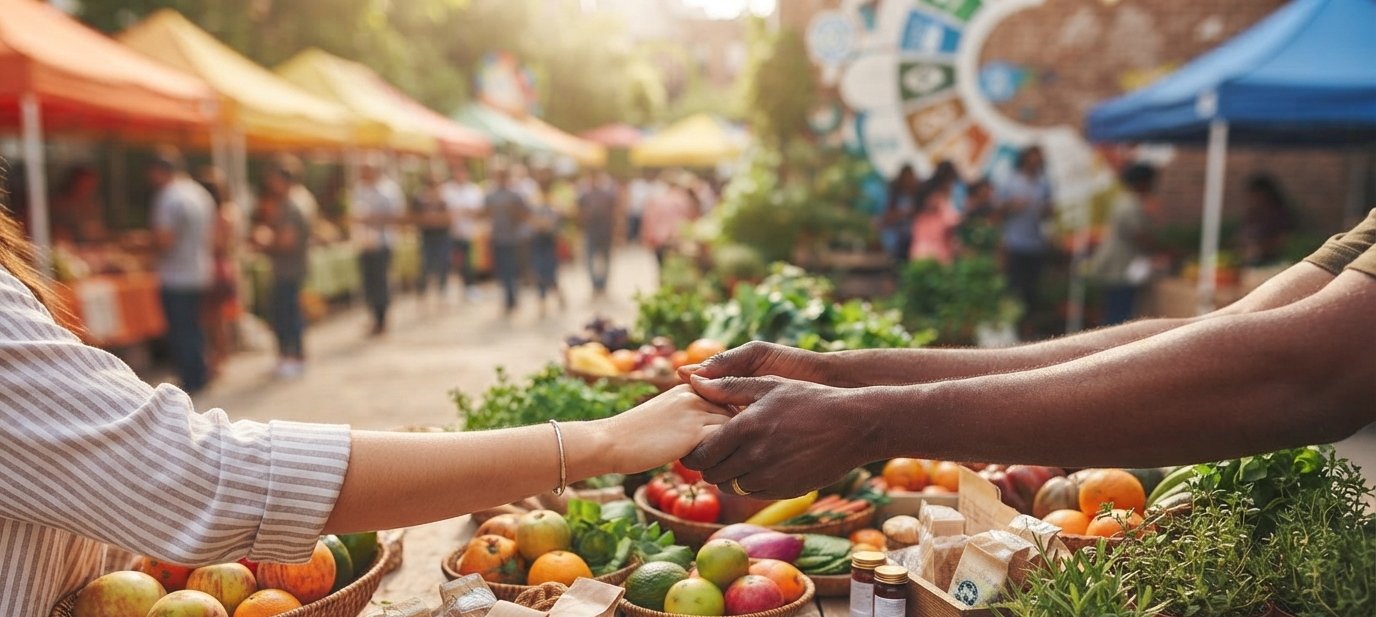
International Day of Cooperatives
# Overview The International Day of Cooperatives raises awareness of cooperatives' contributions to sustainable development, strengthens collaboration between the UN and the international cooperative movement, and promotes the cooperative model for inclusive economic growth. ## Official Details - **Date:** First Saturday of July (July 4, 2026) - **Proclaimed by:** UN General Assembly Resolution 47/90 (December 16, 1992) - First Saturday of July 1995 marked the ICA centenary - Celebrated by the global cooperative movement since 1923 - **2026 theme:** "Cooperatives for a peaceful world" ## Key Statistics - 1.2 billion cooperative members on the planet - Over 3 million cooperatives worldwide - Cooperatives employ at least 280 million people - Oldest known cooperative dates from 1761 in Scotland - First modern cooperative established in 1844 in England ## Actions for General Users - Join or start a cooperative in your community - Support cooperative businesses and services - Learn about the cooperative model and its benefits - Advocate for policies supporting cooperative development - Participate in cooperative governance and decision-making ## Actions for Businesses - Explore the cooperative business model for your industry - Partner with cooperatives in your supply chain - Support development of worker, consumer, or producer cooperatives - Educate employees and stakeholders about cooperative values - Participate in International Cooperative Alliance events ## Covered SDGs - **SDG 1** (No Poverty) - **SDG 8** (Decent Work and Economic Growth) - **SDG 10** (Reduced Inequalities) - **SDG 12** (Responsible Consumption and Production) - **SDG 17** (Partnerships for the Goals)
World Population Day
Overview World Population Day focuses attention on the urgency of population issues, enhances awareness of population issues and their relation to environment and development, and promotes rights and choices for all people. Official Details Date: July 11 (annually) Established by: UNDP Governing Council in 1989 July 11, 1987 marked world population reaching 5 billion UN General Assembly Resolution 45/216 continued observance First marked on July 11, 1990 in more than 90 countries Key Statistics World population reached 8 billion on November 15, 2022 Projected to peak at ~10.3 billion by mid-2080s Global fertility rate: 2.3 live births per woman (2024) Life expectancy: 73.3 years (2024), projected 77.4 by 2054 80% of world's poorest people live in rural areas Actions for General Users Educate yourself about population trends and implications Support reproductive health and family planning services Advocate for gender equality and women's empowerment Learn about sustainable consumption and its impact Support policies ensuring rights and choices for all Actions for Businesses Support family-friendly workplace policies Invest in women's health and empowerment programmes Promote sustainable business practices accounting for population growth Support education initiatives, especially for girls Partner with UNFPA on population and development programmes Covered SDGs SDG 1 (No Poverty), SDG 3 (Good Health and Well-being), SDG 4 (Quality Education), SDG 5 (Gender Equality), SDG 8 (Decent Work and Economic Growth), SDG 10 (Reduced Inequalities), SDG 11 (Sustainable Cities and Communities)

World Horse Day
Overview World Horse Day raises global awareness of the cultural, economic, and social role of horses, promotes the protection and welfare of horses, preserves cultural heritage linked to horses, and promotes sustainable use of horses in agriculture and tourism. Official Details Date: July 11 (annually) Established by: UN General Assembly Resolution 79/291 (June 3, 2025) Initiated by: Mongolia, supported by Russia and Türkiye Recognizes horses' profound contribution to human progress Addresses challenges horses face including climate change Key Statistics Approximately 60.8 million horses globally (FAO 2023) US has 2.41 million horses on over 63,000 farms EU supports 7 million equines and 800,000 jobs Mongolia has 3.4 million horses for 3.3 million people 112 million working equids support 600 million people in low/middle-income countries Actions for General Users Visit a local horse rescue or therapy center Support equine welfare charities Learn about proper horse care and welfare standards Choose ethical equestrian tourism options Share reliable horse facts on social media Actions for Businesses Support equine welfare and rescue organizations Adopt high welfare standards in equine-related businesses Invest in climate-adaptive infrastructure for working horses Promote sustainable equestrian tourism Support research on equine health and welfare Covered SDGs SDG 1 (No Poverty), SDG 2 (Zero Hunger), SDG 8 (Decent Work and Economic Growth), SDG 13 (Climate Action), SDG 15 (Life on Land)

International Day of Hope
# Overview The International Day of Hope celebrates and promotes hope as a guiding principle, fosters hope for individuals, communities, and nations, and recognizes hope as a catalyst for positive change. ## Official Details - **Date:** July 12 (annually) - **Designated by:** UN General Assembly Resolution A/79/L.54 (March 4, 2025) - **Initiated by:** Kiribati — first country where the sun rises on the International Date Line - Passed with **161 member states** in favor - July 12 is Kiribati's **National Day** — symbolizing hope and light ## Key Facts - Hope activates **reward and motivation centers** in the brain - Higher hope levels associated with **lower depression and anxiety** - **Voluntary Hope Index** being developed for national progress tracking - Hope fosters **social trust** and reduces polarization ## Actions for General Users - Practice hope as a **skill** — set goals and identify pathways - Share stories of **resilience and positive change** - Perform **acts of kindness** in your community - Support others facing **difficult circumstances** - Plant a **sunflower** as a symbol of hope ## Actions for Businesses - Foster a **culture of hope and optimism** in the workplace - Set **realistic, meaningful goals** that inspire employees - Support **community-based initiatives** building hope and resilience - Integrate **hope-centered approaches** into employee wellness programmes - Measure and track **employee hope and well-being** ## Covered SDGs - **SDG 3** (Good Health and Well-being) - **SDG 16** (Peace, Justice and Strong Institutions)
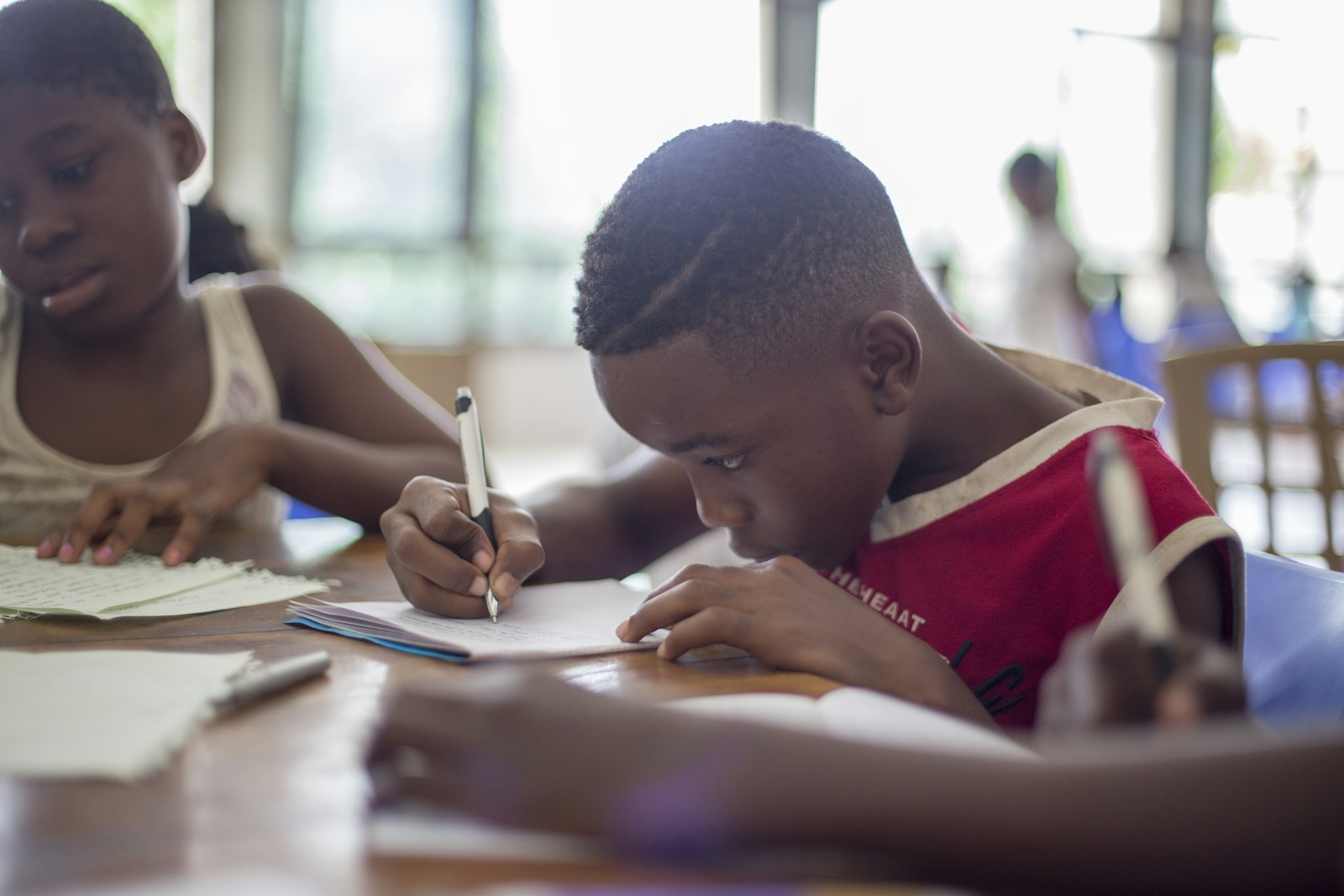
World Youth Skills Day
# Overview **World Youth Skills Day** raises awareness about the strategic importance of equipping young people with skills for employment, decent work, and entrepreneurship, highlighting the critical role of **Technical and Vocational Education and Training (TVET)** in addressing global youth unemployment. # Official Details * **Date:** July 15 * **Proclaimed by:** UN General Assembly Resolution 69/145 (December 18, 2014) * **First officially celebrated globally on:** July 15, 2015 * **Resolution was spearheaded by:** Sri Lanka with assistance from the G77 and China * **2026 theme:** *"Skills for a shared future"* # Key Statistics * Over **1.2 billion young people aged 15 to 24** live globally * **1 in 5 young people** are currently *Not in Employment, Education, or Training (NEET)* * **Young women** make up *3 out of 4* of the global NEET youth population * **Youth** are globally *three times more likely* than adults to be unemployed * An estimated **600 million jobs** need to be created over the next 15 years to meet youth employment needs # Actions for General Users * Mentor or tutor a young person in your specific field of expertise * Learn about and advocate for accessible vocational and technical training in your area * Support youth-led startups, community initiatives, and small businesses * Help a young person build essential digital, technical, or interview skills * Participate in local career fairs, skills-sharing workshops, or school speaking events # Actions for Businesses * Offer paid internships, apprenticeships, and entry-level training programs * Partner with local technical schools (TVET) to align educational curricula with industry demands * Invest in the continuous upskilling, reskilling, and digital literacy of young employees * Establish internal mentorship and clear career development pathways for junior staff * Commit to inclusive hiring practices that focus on core competencies rather than strict experience barriers # Covered SDGs * **SDG 4** (Quality Education) * **SDG 5** (Gender Equality) * **SDG 8** (Decent Work and Economic Growth) * **SDG 9** (Industry, Innovation and Infrastructure) * **SDG 10** (Reduced Inequalities)
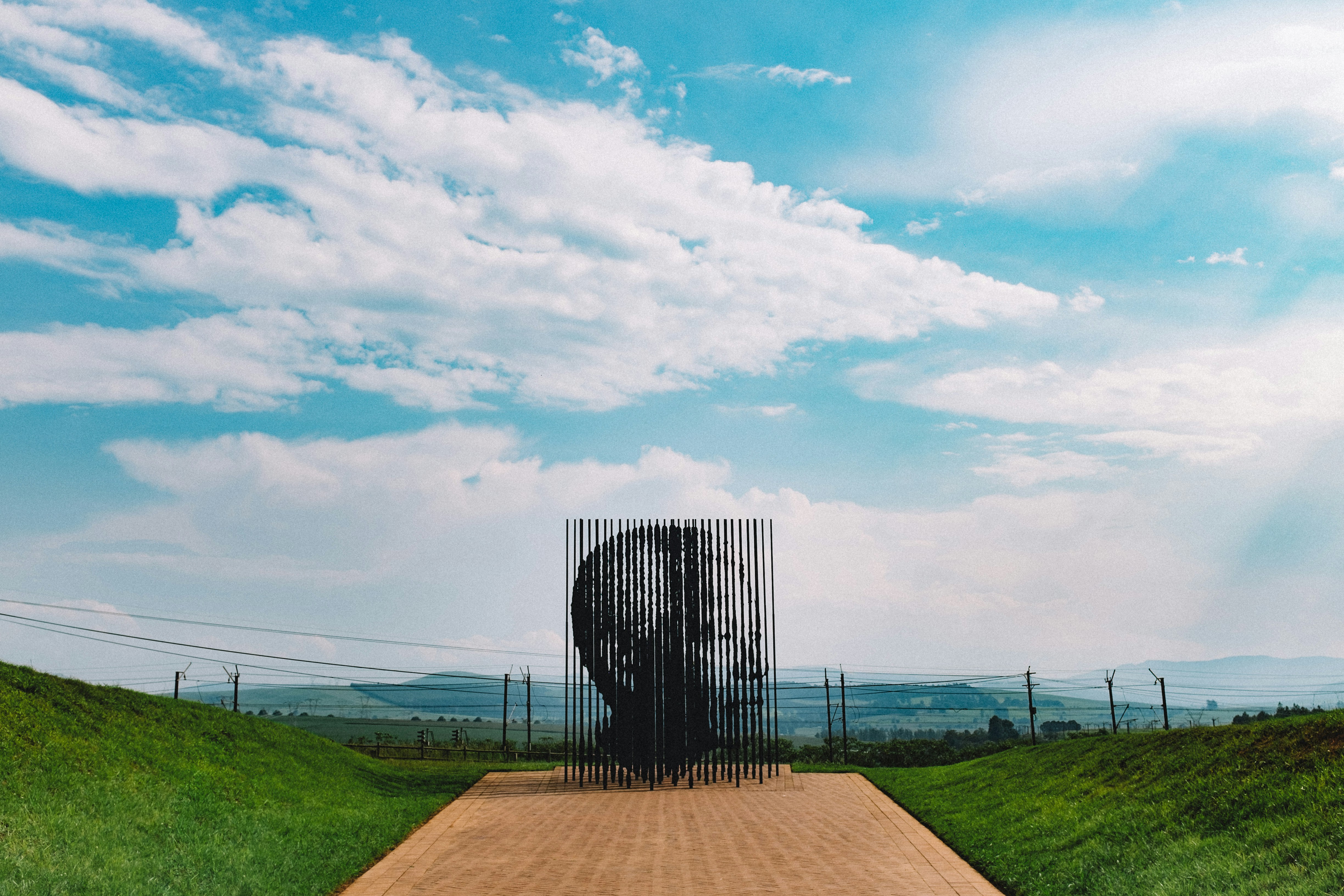
Nelson Mandela International Day
Overview Nelson Mandela International Day honours Nelson Mandela's legacy of social justice, fights against poverty, promotes a culture of peace, and inspires public service and community action worldwide. Official Details Date: July 18 (annually) — Mandela's birthday Proclaimed by: UN General Assembly Resolution 64/13 (November 10, 2009) Mandela spent 67 years in service of humanity Nelson Mandela Rules adopted in 2015 for prisoner treatment Nelson Mandela Decade of Peace runs 2019–2028 Key Facts Mandela spent 27 years in prison Awarded the Nobel Peace Prize in 1993 First democratically elected president of a free South Africa UN Nelson Rolihlahla Mandela Prize awarded every five years Actions for General Users Dedicate 67 minutes to community service Volunteer at local charities, shelters, or food banks Read about Mandela's life and legacy Stand up against racism, discrimination, and injustice Support education initiatives in underserved communities Actions for Businesses Organize employee volunteer days in local communities Support anti-poverty and social justice initiatives Promote diversity, equity, and inclusion in the workplace Partner with organizations that fight hunger and poverty Honour Mandela's values through ethical business practices Covered SDGs SDG 1 (No Poverty), SDG 4 (Quality Education), SDG 5 (Gender Equality), SDG 10 (Reduced Inequalities), SDG 16 (Peace, Justice and Strong Institutions)

World Chess Day
Overview World Chess Day recognizes chess in supporting international cooperation, fosters dialogue, solidarity, and a culture of peace, and promotes fairness, inclusion, and mutual respect through chess. Official Details Date: July 20 (annually) Proclaimed by: UN General Assembly Resolution 74/22 (December 12, 2019) Marks the establishment of FIDE in Paris in 1924 Chess transcends language, age, gender, ability, and social status Key Statistics 605 million adults play chess regularly More possible chess outcomes than atoms in the observable universe 70% of adults in major countries have played chess Over 2,000 identifiable variants of the game exist Actions for General Users Play a game of chess with friends, family, or online Teach someone how to play chess Join a local chess club or online chess community Use chess to develop strategic thinking and patience Participate in chess events or tournaments Actions for Businesses Start a chess club for employees to promote strategic thinking Sponsor local chess tournaments or youth chess programmes Use chess as a team-building activity Support chess-in-education programmes in underserved communities Promote chess as a tool for inclusion and diversity Covered SDGs SDG 4 (Quality Education), SDG 5 (Gender Equality), SDG 16 (Peace, Justice and Strong Institutions)

International Moon Day
Overview International Moon Day celebrates achievements in Moon exploration, raises public awareness about sustainable Moon exploration, and promotes international cooperation in the peaceful uses of outer space. Official Details Date: July 20 (annually) Declared by: UN General Assembly Resolution 76/76 (2021) Anniversary of the Apollo 11 lunar mission — July 20, 1969 Neil Armstrong and Buzz Aldrin: first humans on the Moon UNOOSA promotes international cooperation in space Actions for General Users Learn about Moon and space exploration history Attend local astronomy club events or planetarium shows Watch documentaries about Apollo missions and lunar exploration Support science education in schools Stargaze and appreciate Earth's natural satellite Actions for Businesses Support STEM education and space research initiatives Explore partnerships with space agencies or research institutions Promote innovation and technology development inspired by space Educate employees about space sustainability and debris management Invest in space-related technologies and applications Covered SDGs SDG 4 (Quality Education), SDG 9 (Industry, Innovation and Infrastructure), SDG 13 (Climate Action), SDG 17 (Partnerships for the Goals)

International Day for Judicial Well-being
Overview The International Day for Judicial Well-being raises awareness about the importance of judicial well-being, strengthens judicial integrity and the rule of law globally, and recognizes that judicial well-being is tied to the quality of justice. Official Details Date: July 25 (annually) Designated by: UN General Assembly Resolution 79/266 (March 4, 2025) Coincides with the adoption of the Nauru Declaration on Judicial Well-being (July 25, 2024) Passed with 160 votes in favor, co-sponsored by 70 countries Key Statistics 76% of judges say they lack sufficient time for optimal well-being 92% indicate judicial work brings them stress 89% know colleagues experiencing stress or anxiety 69% feel talking about mental health is taboo among judges 83% say available support is insufficient Actions for General Users Recognize the human dimension of judicial work Show respect for judges and the judicial system Advocate for better support systems within the justice system Support initiatives destigmatizing mental health in the legal profession Actions for Businesses Legal firms should implement well-being programmes for legal professionals Support pro-bono initiatives that reduce judicial workload Provide mental health resources for employees in legal roles Respect court processes and avoid undue pressure on judicial officers Covered SDGs SDG 3 (Good Health and Well-being), SDG 16 (Peace, Justice and Strong Institutions)

World Hepatitis Day
Overview World Hepatitis Day raises awareness of viral hepatitis as a global public health problem, promotes understanding of hepatitis prevention and control, and supports the WHO goal to eliminate hepatitis by 2030. Official Details Date: July 28 (annually) Birthday of Nobel Laureate Dr. Baruch Blumberg — discoverer of the hepatitis B virus Designated by the World Health Assembly Calls for strengthening preventive and control measures worldwide Key Statistics Every 30 seconds a person dies from hepatitis-related illness Over 350 million people have chronic hepatitis B or C 80% of those infected cannot access needed care 1.4–1.5 million deaths every year from all types of hepatitis Hepatitis B is 50–100 times more infectious than HIV Actions for General Users Get tested for hepatitis B and C Get vaccinated against hepatitis B Practice safe hygiene — avoid sharing needles, razors, or toothbrushes Educate yourself and others about transmission routes Support global health organizations working on hepatitis elimination Actions for Businesses Provide hepatitis testing and vaccination programmes for employees Ensure workplace health policies include hepatitis awareness Support global health initiatives financially or through partnerships Implement infection control measures in workplace healthcare settings Educate employees about prevention and treatment options Covered SDGs SDG 3 (Good Health and Well-being)
International Day of Friendship
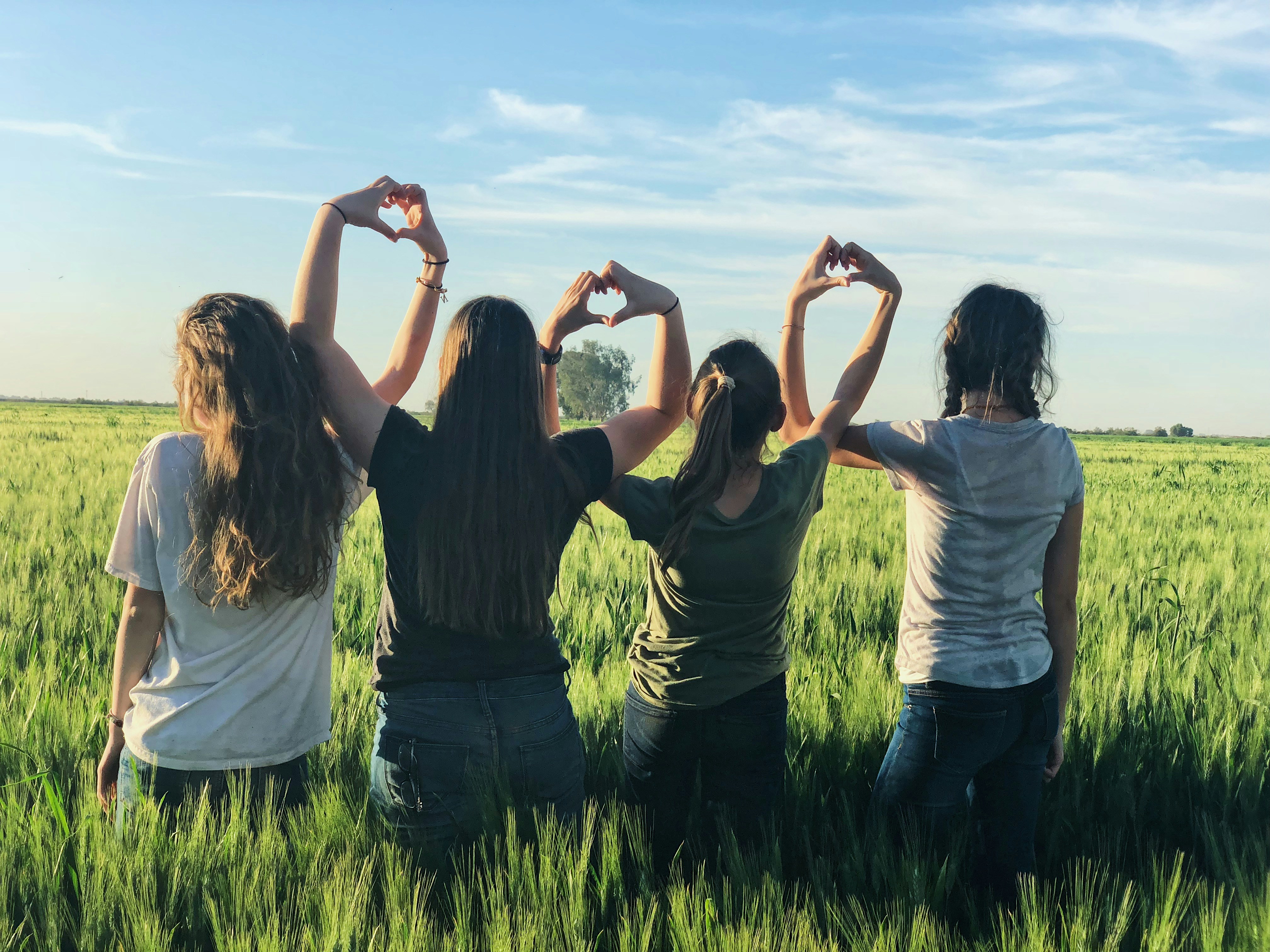
Overview The International Day of Friendship promotes friendship between peoples, countries, cultures, and individuals, inspires peace efforts and builds bridges between communities, and involves young people as future leaders in community activities. Official Details Date: July 30 (annually) Proclaimed by: UN General Assembly in 2011 (Resolution A/65/L.72) Based on UNESCO's Culture of Peace initiative Encourages dialogue among civilizations and mutual understanding Actions for General Users Reach out to someone from a different culture or background Organize community gatherings celebrating diversity Volunteer with organizations promoting cross-cultural dialogue Share messages of friendship and peace using #FriendshipDay Mentor young people in your community Actions for Businesses Foster inclusive workplace cultures that value diversity Partner with organizations promoting intercultural understanding Launch employee exchange programmes across different offices Support community initiatives building bridges between groups Create safe spaces for dialogue among diverse employees Covered SDGs SDG 4 (Quality Education), SDG 5 (Gender Equality), SDG 10 (Reduced Inequalities), SDG 16 (Peace, Justice and Strong Institutions), SDG 17 (Partnerships for the Goals)
International Day of Charity
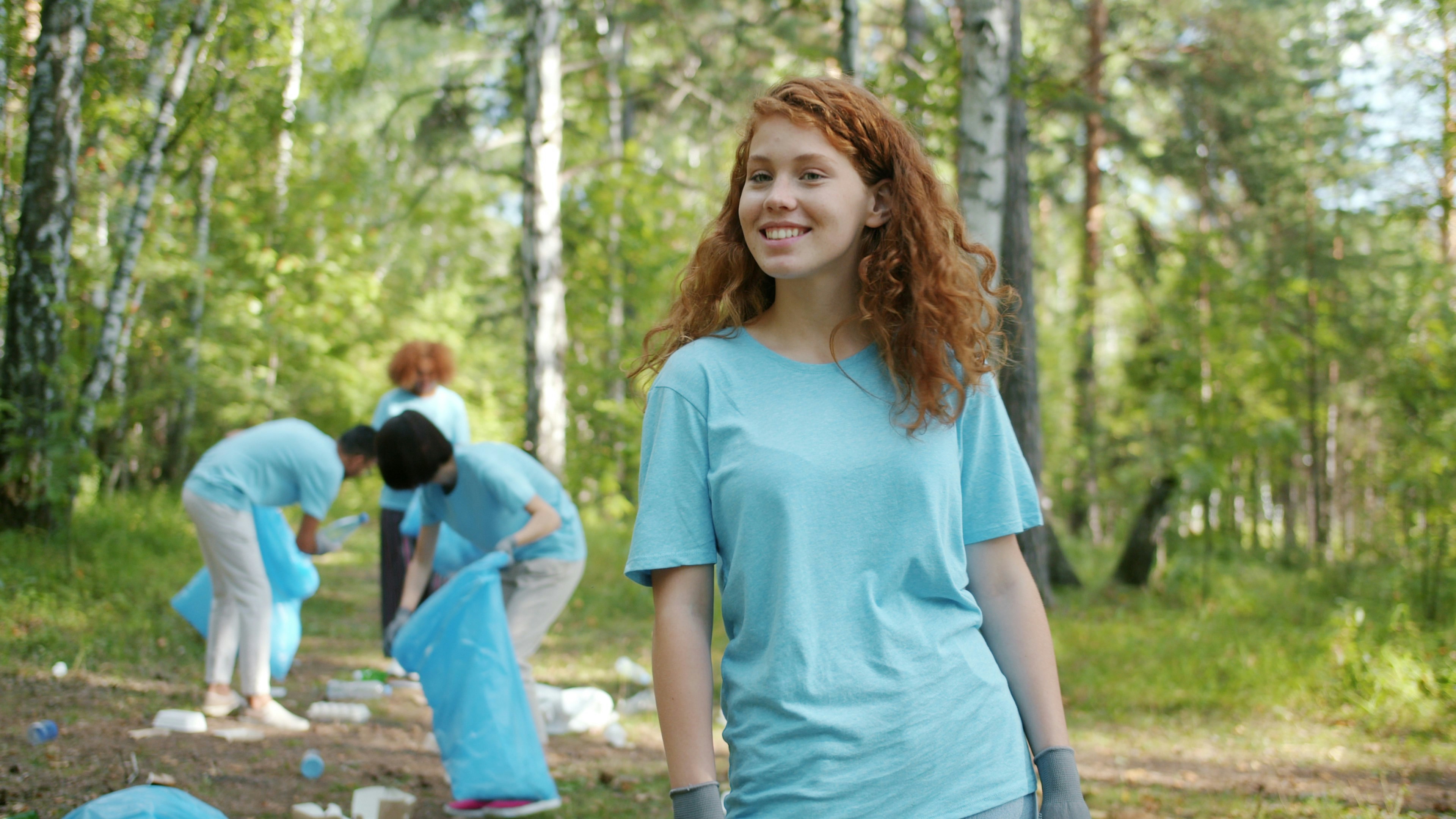
# Theme: Global Solidarity and Philanthropy (2026 Alignment) ## Context & Overview Established by the UN in 2012 to commemorate the passing of Mother Teresa, this day sensitizes and mobilizes people worldwide to help others through volunteer and philanthropic activities. It highlights the vital role of charity in alleviating humanitarian crises and reducing human suffering. ## Narrative & Deep Insights Charity is fundamentally tied to human connection. In a world facing economic volatility and climate-induced displacements, grassroots philanthropy and structural charity play an indispensable role in societal resilience. It goes beyond monetary donations, encompassing the giving of time, expertise, and empathy. ## Key Facts & Data Analysis - Advances **SDGs 1 (No Poverty), 3 (Good Health), 10 (Reduced Inequalities), and 17 (Partnerships)**. - Global charitable giving continues to be a crucial pillar for filling funding gaps in humanitarian aid.

International Day of Clean Air for Blue Skies
# Theme: The Air We Share (2026 Focus) ## Context & Overview First established in 2019, this day underscores the critical need for clean air for health, productivity, and the environment. It acts as an urgent call to action for governments and individuals to mitigate air pollution. ## Narrative & Deep Insights Air quality is a silent public health crisis. The transition to renewable energy and sustainable urban planning is no longer optional. Addressing atmospheric pollutants not only saves millions of lives but also aggressively combats the greenhouse effect. ## Key Facts & Data Analysis - **99%** of the world’s population breathes air that exceeds WHO guideline limits. - **~7 million** premature deaths occur annually due to air pollution. - Supports **SDGs 3, 7, 11, and 13**.

International Day of Police Cooperation
# Theme: Strengthening Global Security Networks ## Context & Overview A newly minted observance (2024), this day highlights the essential, positive impact of cross-border policing and law enforcement. It aims to foster trust and streamline international efforts to combat transnational crime. ## Narrative & Deep Insights In an increasingly interconnected digital and physical world, crime knows no borders. Effective international police cooperation is critical to dismantling human trafficking networks, cybercrime syndicates, and illegal arms trades while upholding fundamental human rights. ## Key Facts & Data Analysis - Directly targets **SDG 16** (Peace, Justice and Strong Institutions). - Enhances global frameworks like **INTERPOL** by promoting resource and intelligence sharing.